
Creating Competitive Events in RPGs: From Tournaments to Races
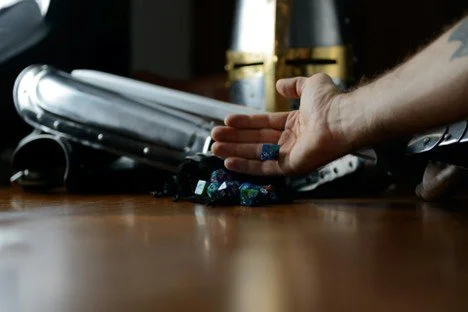
Photo by Carlos Felipe Ramírez Mesa on Unsplash
Many RPG competitions sound amazing but then become painfully boring in practice. A big tournament is announced, the crowd is excited, banners are flying, and everyone is hyped. Then the actual event starts, and suddenly it's the same thing over and over again. Not exactly entertainment.
However, competitive events in RPGs can be incredible if they’re designed properly. Most organizers do things safely, and they focus only on the game. But there is so much to offer. Think about horse racing. People turn up for the race, but they have plenty of different activities to fill up the day.
So, how can we make competitive RPG events more fun? Let’s find out.
The Competition Needs a Reason to Exist
We can all agree that this is where many RPGs get it wrong. Why? Well, they just slap a tournament just because it is a trend, it sounds cool, and it’s engaging. Yes, they are all these things, but if the event doesn’t matter to the world, it feels like a mini game.
So, a good competitive event always starts with a reason.
Maybe the tournament decides who becomes the king’s champion, or the race is part of an even bigger festival, or the winner gets access to a restricted city district or a rare mount.
In other words, the event should connect to the setting. Just take a look at the Preakness Stakes, which is a race and part of the Triple Crown title that racehorse owners dream about. See how it is structured? It’s all about the final goal, the purpose that keeps everyone pushing hard.
Yes, the prize purse can make a difference, but in big races like the Preakness Stakes, most of the 2026 Preakness expert picks by TwinSpires are all in for the glory.
This doesn’t mean that every competition has to change the fate of the universe. But players should understand why people in the world care. It shouldn’t feel forced or pushed but born from demand.
And if the fans care, the players would care even more.
Winning Should Not Be the Only Interesting Outcome
Most tournaments nowadays are designed as “win or fail.” Yes, that sounds clear, but it’s actually boring. This doesn’t mean that we should turn it into a kindergarten where everyone wins a price, but a good RPG event should come with an interesting structure.
Maybe the party loses the race but impresses a sponsor, or maybe they lose the duel, but they can fight another round to get back into the championship.
Why is this important? Well, players nowadays hate feeling like time was wasted. If the only reward is first place, then everyone who doesn’t win feels like the whole event was pointless. Again, this doesn’t mean that everyone should win, since then the actual champion is disregarded, but it is great if you can find a structure that will bring value to all participants.
Structure Matters More Than Complexity
You don’t need a giant rule system for every competition. In video games, there are plenty of different formats.
In fact, you probably shouldn’t build one unless your group really enjoys that kind of thing.
The goal is to create a structure that players can understand quickly. A tournament might have qualifying rounds, semi-finals, and a final. A race might have stages. A magical trial might have different checkpoints. A festival contest might have multiple categories.
Simple structure gives players something to follow.
If they know where they are in the competition, tension builds naturally. The first round feels like a warm-up. The semi-final feels serious. The final feels like the big moment.
Without structure, events feel random.
With structure, they feel like a story.
The Crowd Should Matter
A competition without a crowd feels strange.
Even if the event is small, there should be people watching, reacting, betting, gossiping, cheering, booing, and making the whole thing more alive.
Crowds give you atmosphere, but they also create stakes. And there are ways you can increase crowd participation.
If the party wins in front of everyone, their reputation grows. If they embarrass themselves, people remember. If they cheat and get caught, that becomes a problem. If they save someone during the event, the crowd might turn in their favor.
The crowd can also influence the event itself.
Build Toward One Big Moment
Every competition has a peak. The final duel, the battle of champions, or the best teams going head-to-head. This is the last and most important moment that can make or break the entire event. This is the moment you should design around.
Everything else leading to this match or game should build tension. And don’t forget to let the moment breathe. Just because it is the culmination point, it doesn’t mean that everything should be squeezed here. Describe to the crowd what’s at stake, build on the hype, show some data to make newcomers understand why it is important, and give players enough context to feel that this moment matters.
Remember, a good tournament or race doesn’t pause the campaign. It builds it, adds to it, and gives competitors, fans, and all engaged a reason to watch it.